

 EN

why-shockwave-sessions-underperform-and-how-to-adjust-output, why-shockwave-sessions-underperform-and-how-to-adjust-output, /blog
EN
When a shockwave session produces little change, increasing the output is not automatically the answer. Underperformance often reflects a mismatch between the treatment target, the patient’s response, the selected settings, and the delivery technique. A shockwave therapy machine can deliver consistent energy, but useful treatment depends on how clinicians assess and adjust those factors.
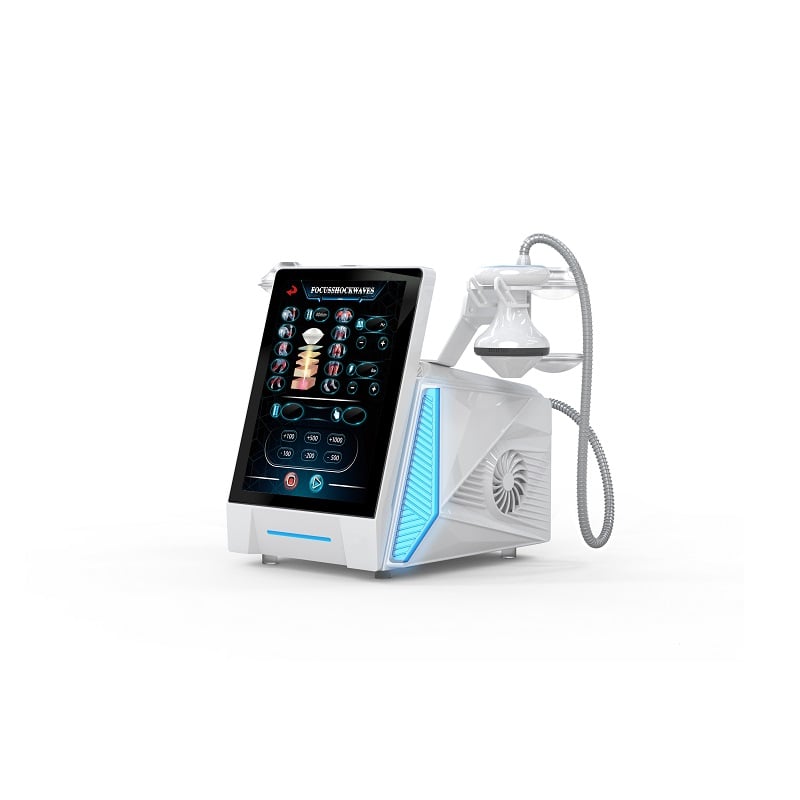
The practical goal is to identify what is limiting the session before changing the dose. This means checking the diagnosis and treatment site, confirming device mode and applicator, and interpreting comfort and follow-up response. Whether using extracorporeal shockwave therapy or a radial shockwave device, adjustments should be deliberate, documented, and consistent with training and the device instructions.
Start by confirming that the treated structure still matches the working diagnosis. Pain can be referred, diffuse, or influenced by more than one tissue, so a familiar tender point is not always the appropriate target. In musculoskeletal therapy, reassessment of symptoms, function, and examination findings helps determine whether the session is addressing the intended problem. A shockwave therapy machine cannot compensate for an inaccurate target, and extracorporeal shockwave therapy should be considered within the broader care plan.
Review how the patient describes the symptoms, including location, aggravating activity, and changes since the previous visit. Compare those details with the original examination rather than treating the most painful spot by default. A radial shockwave device may suit a broad or superficial treatment area, while a different approach may be needed for a more localized target. If the clinical picture has changed, reconsider the plan before continuing a repeated protocol.
A session may underperform because energy delivery is inconsistent, not because the selected output is too low. Check applicator contact, coupling material, angle, movement, and whether the treatment head remains over the intended region. With a radial shockwave device, stable contact and a controlled treatment pattern support repeatability. The operator should verify the shockwave therapy machine settings and confirm that the selected mode matches the treatment protocol rather than relying on memory.
Ask whether discomfort interrupted delivery or caused the patient to tense, shift, or guard. Those responses can make treatment less consistent and may indicate that the clinician should reassess contact, positioning, or the session plan. In extracorporeal shockwave therapy, output is only one part of delivery; the applicator, frequency, pulse count, and treatment area also matter. Record what was actually delivered so a later review can distinguish a technical issue from a clinical one.
Before adjusting output, establish a baseline for symptoms and function and review the response to earlier sessions. A clinician using a shockwave therapy machine should follow the device instructions and applicable clinical guidance, changing a setting only for a reason. If tolerance is poor, check patient position, contact, and the treatment target before considering a lower starting level or slower progression. Extracorporeal shockwave therapy should not be reduced to a single output number.
When tolerance is acceptable but progress is limited, review the full treatment dose rather than making a large output jump. Consider the mode, frequency, pulse count, applicator, and spacing between sessions as a combined plan. A radial shockwave device may allow adjustments across several parameters, so change one relevant factor at a time where practical. This makes it easier to interpret response and supports safer decisions in musculoskeletal therapy.
A useful treatment record connects each change to an observation: symptom response, function, treatment-site findings, tolerance, and the parameter adjusted. For a shockwave therapy machine, document the selected settings and applicator as well as the target and patient position. This helps clinicians identify whether improvement followed a specific adjustment or occurred alongside other care. In extracorporeal shockwave therapy, consistent records also make it easier to spot repeated delivery variation.
Avoid changing several settings at once unless a clinical reason requires it. If output, frequency, pulse count, and treatment area all change together, the next response offers little information about which change mattered. A radial shockwave device should be operated according to its interface and instructions, with staff training maintained as settings or protocols evolve. This measured approach keeps musculoskeletal therapy decisions explainable and repeatable across visits.
Agree on what meaningful progress would look like before a series continues. Depending on the condition, that may involve reduced pain during a specified activity, improved movement, or better participation in work or rehabilitation. A shockwave therapy machine is one element of care, not a stand-alone measure of success. Review extracorporeal shockwave therapy against the patient’s goals and the clinical course rather than judging it only by how intense a session felt.
Consider whether the timing and spacing of sessions allow a useful review of response. Repeating treatment without checking symptoms and function can obscure a lack of progress or a developing tolerance issue. In musculoskeletal therapy, connect session decisions with activity modification, exercise, and other appropriate care. If the patient’s presentation no longer fits the original rationale, pause and reassess rather than escalating output by habit.
Pause the planned progression when symptoms worsen unexpectedly, tolerance changes significantly, or new findings call the diagnosis into question. Check contraindications, precautions, and device guidance before treatment, and use clinical judgment when patient factors change. A radial shockwave device should not be used to pursue a target that has not been clinically justified. Extracorporeal shockwave therapy remains part of a managed care decision, with referral or further assessment appropriate when the clinical picture warrants it.
If a series repeatedly underperforms despite consistent delivery and considered adjustments, review the case with an appropriately qualified clinician. Revisit the diagnosis, treatment goals, parameters, and whether another intervention is indicated. A shockwave therapy machine can support a structured plan, but it cannot resolve uncertainty about the source of symptoms. Clear documentation and a defined review point help keep musculoskeletal therapy responsive rather than routine.
Not automatically. First reassess the target, contact, technique, patient tolerance, and prior response. Change settings only when the clinical rationale and device guidance support a specific adjustment.
Check positioning, coupling, applicator contact, treatment pattern, and recorded settings. Consistent technique and documentation make it easier to distinguish a delivery variation from a limited clinical response.
Review it when symptoms worsen, the diagnosis becomes uncertain, tolerance changes, or expected functional progress does not occur. Reconsider the broader care plan rather than continuing or escalating treatment by default.

