

 EN

why-shockwave-therapy-often-feels-stronger-on-the-second-visit, why-shockwave-therapy-often-feels-stronger-on-the-second-visit, /blog
EN
A second appointment can feel more intense even when the clinician uses a similar protocol. With shockwave therapy, the sensation reflects more than the device setting: recent activity, local tenderness, expectations, and how a person responds after the first session can all shape what they feel. A stronger sensation does not, by itself, prove that tissue damage has increased or that the session is more effective.
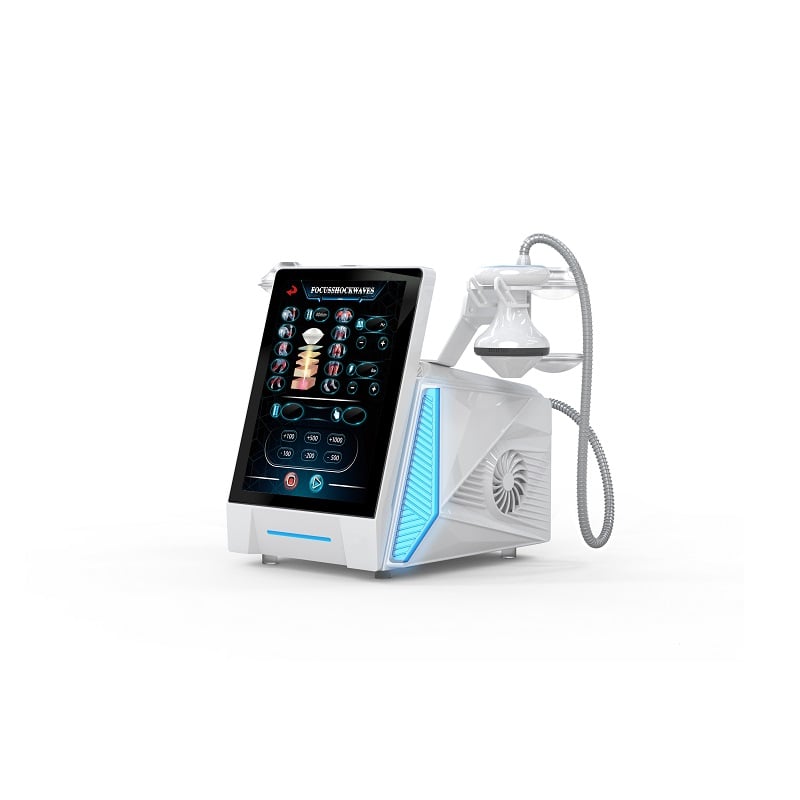
The important question is what changed between visits and whether the response remains tolerable and appropriate for the care plan. An extracorporeal shockwave session delivers mechanical pulses to a target area, while musculoskeletal therapy usually combines treatment with movement, load management, and follow-up. Understanding that context helps patients describe their experience and helps clinicians make careful adjustments.
The first shockwave therapy session may introduce a new stimulus to a sensitive region. By the second visit, the patient knows where the pulses are directed and may notice the sensation sooner. A shockwave treatment can also feel sharper if the area is tender from normal activity, prolonged standing, exercise, or pressure applied during assessment.
An extracorporeal shockwave procedure is localized, but the surrounding tissue and the person's general state still influence comfort. If the area feels more reactive after the first appointment, the clinician should hear about that before continuing. In musculoskeletal therapy, this information helps distinguish a familiar, brief treatment sensation from a new symptom that needs reassessment.
Knowing what to expect can make a shockwave treatment easier for some people, but anticipation can also increase attention to each pulse. Shockwave therapy sensations are not measured only by machine output; focus, anxiety, fatigue, and the ability to relax can affect how intense they seem. These factors do not make the experience imaginary. They are part of how the nervous system interprets a physical stimulus.
The second appointment may also involve treatment of a slightly different point or angle based on the first response. An extracorporeal shockwave approach is directed at a clinical target, and small changes in contact or positioning can alter the sensation. In musculoskeletal therapy, patients should report the exact location and quality of discomfort rather than simply saying the session was harder.
Clinicians may modify pulse intensity, frequency, duration, or the treated area according to the plan and the patient's response. A shockwave therapy session should be guided by clinical judgment, not by the assumption that higher intensity is always better. Ask whether the shockwave treatment settings changed and what the adjustment is intended to address.
The applicator position, coupling, and pressure used to maintain contact may also influence comfort. An extracorporeal shockwave device transfers pulses through an applicator, so consistent technique matters when comparing sessions. If positioning changed, mention where the sensation differed; that detail gives the clinician a useful reference without requiring you to interpret the equipment yourself.
A schedule can affect what the appointment feels like as well. A busier week, a return to sport, or less recovery time may leave the target area more sensitive. During musculoskeletal therapy, the clinician can consider recent loading alongside the response to shockwave therapy, rather than attributing every change to the procedure alone.
Patients can help make the comparison meaningful by describing the sensation during treatment and later that day. Note whether it was pressure, aching, sharp discomfort, or familiar tenderness, and whether it settled. This account helps the clinician decide if the shockwave treatment should continue unchanged, be adjusted, or be paused for review.
A stronger sensation on visit two is not a reliable measure of improvement or failure. Responses vary, and treatment effects are assessed over time using function, symptoms, and the goals agreed with the clinician. In musculoskeletal therapy, a single appointment should be interpreted alongside daily activity and recovery, not treated as a stand-alone result.
Some people experience temporary tenderness after a session, while others notice little immediate change. With shockwave therapy, short-term discomfort and longer-term progress are different observations. Tell the clinician if symptoms feel substantially different from the expected response, persist longer than discussed, or interfere with routine activity so the care plan can be reviewed.
Before treatment begins, explain how the previous appointment felt, how long any soreness lasted, and what activities followed it. During an extracorporeal shockwave session, give specific feedback if the sensation becomes difficult to tolerate or changes in character. The clinician can then check the target, review settings, and decide whether a change is appropriate.
Do not feel obliged to endure increasing discomfort to prove that a shockwave treatment is working. A collaborative session allows the clinician to balance the planned stimulus with your response. In musculoskeletal therapy, feedback is part of safe decision-making, especially when the treatment area is already irritable or the patient has questions about recovery.
Follow the activity guidance provided by your clinician rather than adding extra exercise to test the area immediately. Shockwave therapy is commonly considered within a wider rehabilitation plan, so pacing and progressive loading may matter as much as the appointment itself. If an extracorporeal shockwave session produces a response outside the guidance you received, contact the clinic for individualized advice.
Keep the next review focused on function as well as sensation: what movements are easier, what remains limited, and how symptoms behave after ordinary tasks. A shockwave treatment plan may need refinement when progress, tolerance, or diagnosis calls for it. Musculoskeletal therapy works best as a reasoned process, with treatment choices connected to the patient's goals and observed response.
No. A more noticeable response during shockwave therapy does not establish greater benefit. Sensation can vary with sensitivity, positioning, settings, and anticipation. Discuss the change with your clinician and judge progress using the agreed functional goals and symptom pattern. Extracorporeal shockwave care should be assessed as part of the broader plan, not by intensity alone.
Tell the clinician when the shockwave treatment feels difficult, especially if the quality or location differs from your previous visit. They can review the plan and determine whether to adjust the session. In musculoskeletal therapy, clear feedback supports a suitable balance between the intended treatment and tolerability; patients should not make device changes themselves.
Follow the clinic's aftercare instructions and contact the clinician if your response is outside what they described, worsens significantly, or disrupts normal activity. An extracorporeal shockwave session can have different responses from person to person, so individualized guidance matters. Report when symptoms began, how they changed, and any relevant activity since treatment.

