

 EN

why-shockwave-therapy-protocols-differ-between-patient-age-groups, why-shockwave-therapy-protocols-differ-between-patient-age-groups, /blog
EN
Shockwave therapy protocols differ between patient age groups because age can influence tissue condition, healing capacity, comfort, and treatment priorities. The same diagnosis does not automatically call for the same plan. Clinicians consider an individual’s symptoms and health history before deciding whether shockwave therapy is suitable, then adapt application to the patient rather than relying on age alone.
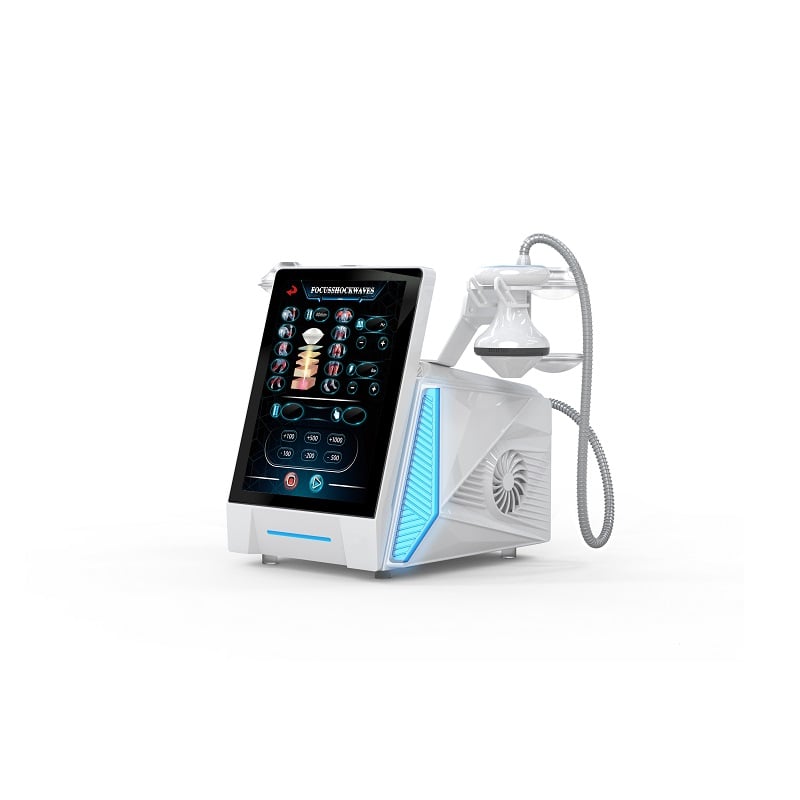
In practice, age shapes the questions asked before and during care, not a fixed prescription. A younger athlete and an older adult may both receive extracorporeal shockwave for a tendon problem, yet differ in activity demands, medications, coexisting conditions, and recovery expectations. Understanding those differences helps providers plan shockwave treatment responsibly and place it within broader musculoskeletal therapy.
Age matters partly because tissues change across the lifespan. In children and adolescents, growth plates and developing structures require particular clinical attention, while adult patients generally have mature skeletons but may present with a wide range of loading histories. Shockwave therapy should therefore be considered in light of the affected structure, diagnosis, and stage of development. Extracorporeal shockwave is not simply adjusted by age in years; the clinician must establish what tissue is being treated and whether the approach is appropriate.
For younger patients, symptoms may relate to sports participation, rapid changes in activity, or developing anatomy. Those factors can make diagnosis and load management central to the plan. In older adults, longstanding tendon changes, reduced activity, or several sources of pain may complicate assessment. Musculoskeletal therapy needs to account for these differences, and shockwave treatment should not replace a clear diagnosis or appropriate first-line care.
Age can correlate with other considerations, but it does not define them. A younger person may have a previous injury or high training load, while an older person may be active and medically well. Before shockwave therapy, clinicians review relevant health conditions, medicines, prior procedures, pain sensitivity, and current function. That assessment supports a safe decision about whether extracorporeal shockwave fits the case, rather than assuming that a particular age group has a standard response.
Treatment goals also vary. A young athlete may want to return to a specific sport, while an older patient may prioritize walking comfortably, working, or maintaining independence. These are not age-based rules; they are examples of how daily needs guide care. Musculoskeletal therapy works best when goals are discussed plainly, and shockwave treatment is weighed alongside exercise, activity modification, and other clinically appropriate options.
A protocol begins with assessment, not a machine setting. The clinician identifies the diagnosis, painful area, symptom duration, functional limits, and factors that may affect tolerance. In younger patients, questions about growth, sport schedules, and recent training changes may be especially relevant. For older patients, medication use, other health conditions, balance, and concurrent pain sources may need closer review. Shockwave therapy is planned around the clinical picture, with extracorporeal shockwave considered only when suitable.
The treatment area and method depend on the target tissue and clinical objective. Providers explain the expected sensations, check the patient’s understanding, and invite feedback during application. This matters in every age group, though communication style may be adapted for a child or adolescent and their caregiver. Musculoskeletal therapy should remain coordinated with the wider plan, while shockwave treatment parameters are selected by a qualified practitioner using clinical judgment and device guidance.
Tolerance is individual, so clinicians monitor comfort rather than presume that age predicts pain response. A patient may need a gradual introduction, pauses, or a review of positioning and target location. If discomfort is unexpected or symptoms change, the practitioner can reassess the approach. This feedback-led process is part of responsible shockwave therapy, and extracorporeal shockwave should not be continued mechanically when the patient’s response calls for clinical review.
Plans after a session also reflect function and lifestyle. A competitive younger patient may need guidance about training load and return-to-sport decisions, while an older adult may benefit from realistic pacing around work or daily mobility. The clinician explains how shockwave treatment fits with exercise and rest, and when to report a concern. Musculoskeletal therapy should support gradual progress without promising a particular outcome or treating age as a shortcut for predicting recovery.
An age-aware protocol uses age as context, then relies on relevant clinical findings. Diagnosis, tissue maturity, symptom behavior, medical history, functional goals, and patient preference all contribute. For minors, appropriate consent and caregiver involvement are important parts of clinical practice. For older adults, a careful review of medicines and coexisting conditions can help identify questions for the treating professional. Shockwave therapy should be chosen through this individualized process, not assigned to a patient simply because of their age.
Shared decision-making means explaining what the intervention involves, what alternatives exist, and what uncertainty remains. Patients should understand that extracorporeal shockwave is one possible component of care, not a universal solution. The conversation can also clarify practical barriers, such as transport, appointment timing, or the ability to follow an exercise plan. In musculoskeletal therapy, a protocol that fits someone’s real circumstances is more useful than a generic age-group template.
A plan should include a way to assess progress. Clinicians can review pain, movement, activity participation, and any adverse response at appropriate intervals, then decide whether to continue, modify, or stop the intervention. Younger patients may be evaluated against safe functional and sport goals, while older patients may focus on daily tasks or sustained mobility. Shockwave treatment should remain linked to measurable priorities, with extracorporeal shockwave reviewed as part of the full care plan.
When progress differs from expectations, the next step is reassessment rather than automatic escalation. The diagnosis, loading strategy, adherence, or another health issue may need attention. Providers can discuss other options or coordinate care where appropriate. This flexible approach keeps shockwave therapy proportionate to the patient’s response. It also helps musculoskeletal therapy remain focused on meaningful function, whether the patient is returning to sport, managing work demands, or seeking greater comfort in everyday movement.
No. Age provides context, but diagnosis, target tissue, health history, symptoms, and tolerance guide decisions. A clinician assesses the individual before selecting or adjusting extracorporeal shockwave parameters.
Developing anatomy and growth-related conditions can affect suitability and clinical priorities. Shockwave treatment decisions for a young person should be made by an appropriately qualified professional and fit the wider musculoskeletal therapy plan.
Age by itself does not establish suitability or rule it out. A practitioner considers the person’s diagnosis, medical history, medicines, goals, and response before recommending shockwave therapy or another care option.

