

 EN

why-some-clients-heal-more-slowly-after-fractional-co2-sessions, why-some-clients-heal-more-slowly-after-fractional-co2-sessions, /blog
EN
Clients often expect rapid results after undergoing fractional co2 laser treatment, yet many experience longer healing timelines than anticipated. Understanding the biological reasons behind this slower recovery is essential for practitioners managing client expectations and for patients planning their treatment schedules. The healing process following fractional laser treatment involves multiple physiological stages that cannot be rushed, regardless of the technology used or the skill of the operator.
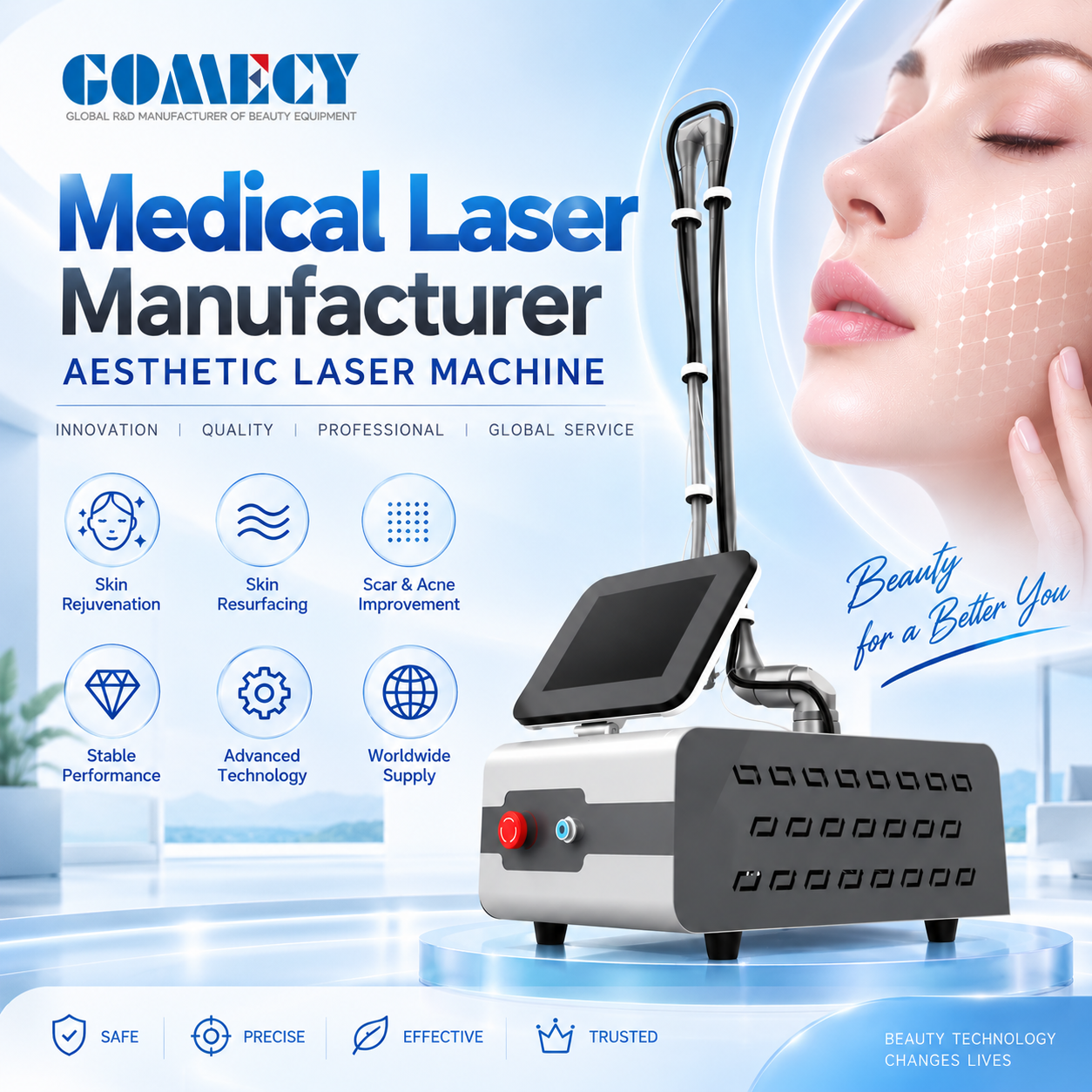
The slower healing observed after co2 fractional resurfacing stems from how these systems work at the cellular level. Unlike non-ablative devices, fractional laser treatment creates controlled micro-injuries across the skin surface, intentionally removing portions of epidermis and dermis to trigger regeneration. This deliberate thermal injury initiates a cascade of immune and metabolic responses that take considerable time to complete, making the overall recovery period longer than many first-time clients expect.
When fractional laser treatment targets the skin, it creates thousands of microscopic columns of controlled ablation surrounded by intact tissue. The body immediately activates inflammatory pathways to address this injury, releasing cytokines and growth factors that begin tissue repair. However, this inflammatory phase lasts several days and cannot be shortened without compromising the quality of the final result. Skin remodeling laser procedures deliberately harness this inflammation as the catalyst for collagen synthesis and cellular reorganization.
The dermis requires weeks to months to fully remodel after fractional co2 laser exposure. During the first two weeks, fibroblasts migrate into the treated zones and begin laying down new collagen. This process continues for three to six months as the newly formed collagen matures, cross-links, and strengthens. Clients who expect dramatic improvement within days or even weeks often become discouraged, not realizing that the most significant structural changes occur beneath the surface long after visible erythema and edema have resolved.
Healing velocity after co2 fractional resurfacing varies significantly among clients due to age, skin type, overall health status, and genetic factors. Older clients typically experience slower epithelialization because cellular turnover naturally declines with age. Clients with darker skin tones may require longer recovery periods and have higher risks of post-inflammatory hyperpigmentation, extending the visible healing window. Comorbidities such as diabetes, autoimmune conditions, or compromised circulation can meaningfully slow fractional laser treatment recovery, as can certain medications including retinoids and immunosuppressants.
Pre-treatment skin condition also influences healing duration. Clients with severe photodamage, significant scarring, or compromised skin barrier function often heal more slowly than those with relatively healthy baseline skin. The intensity of the fractional co2 laser settings used during treatment directly correlates with healing time; higher energy levels create deeper injury zones that require extended recovery despite delivering more dramatic rejuvenation.
Post-treatment sun exposure represents one of the most significant variables controlling healing pace after fractional laser treatment. The newly resurfaced skin lacks the protective melanin of undamaged epidermis and is extraordinarily vulnerable to UV damage during the first several weeks. Even brief, unintentional sun exposure can trigger excessive inflammation, prolonging erythema and increasing the risk of post-inflammatory hyperpigmentation that extends the visible healing phase by weeks or months. Clients who cannot strictly avoid sun exposure or who live in high-UV climates experience notably delayed recovery compared to those who can maintain rigorous photoprotection.
Environmental humidity and air quality also influence healing timelines for skin remodeling laser procedures. Dry climates increase transepidermal water loss and can prolong the inflammatory phase, while pollution and environmental irritants can trigger prolonged edema and delayed re-epithelialization in treated zones. Clients in harsh climates who cannot optimize their environment heal more slowly than those with favorable conditions.
Adherence to post-procedure protocols dramatically affects healing velocity after fractional co2 laser sessions. Clients who diligently use prescribed moisturizers, gentle cleansers, and barrier repair products experience faster resolution of inflammation and more efficient epithelialization. Conversely, those who use harsh products, over-manipulate treated skin, or fail to maintain adequate hydration experience prolonged peeling, persistent erythema, and slower functional recovery. The fractional laser treatment healing timeline can extend by one to two weeks or longer in clients with poor compliance to care instructions.
Sleep quality, hydration status, and nutritional intake directly support or hinder the biological repair processes activated by co2 fractional resurfacing. Clients who maintain excellent sleep, drink sufficient water, and consume adequate protein, vitamin C, and zinc heal more efficiently than those with poor lifestyle habits. Smoking and alcohol consumption impair microcirculation and immune function, meaningfully slowing fractional co2 laser recovery even in otherwise healthy individuals.
Practitioners must set clear expectations before fractional laser treatment regarding the typical healing timeline. Most clients achieve visible improvement within three to four weeks, though some erythema and mild textural change may persist for six to eight weeks depending on intensity and individual healing capacity. Final results for skin remodeling laser procedures typically emerge over three to six months as collagen remodeling completes and skin texture, tone, and laxity reach their optimal post-treatment state. Clients armed with this realistic framework experience greater satisfaction and lower frustration during the recovery window.
Detailed pre-treatment consultations should include visual aids, patient testimonials, and honest discussion of the fractional laser treatment healing experience. Practitioners should emphasize that slower healing is not a sign of treatment failure but rather evidence that the procedure created sufficient injury to trigger meaningful regeneration. Clients who understand the biology of fractional co2 laser healing remain compliant with aftercare, maintain realistic expectations, and typically achieve superior final outcomes compared to those surprised by the recovery timeline.
While healing velocity after co2 fractional resurfacing cannot be dramatically accelerated, certain interventions can support optimal recovery. LED light therapy during the first two weeks may reduce inflammation and support fibroblast activity, potentially modestly shortening the recovery window. Appropriate supplementation with vitamin C, collagen precursors, and antioxidants provides substrates for efficient tissue repair. Practitioners can recommend high-quality skincare products formulated specifically for post-laser healing that support barrier function and reduce inflammation without irritation. Strategic timing of fractional laser treatment sessions during seasons with lower UV exposure and favorable weather patterns also contributes to faster overall healing timelines.
Fractional laser treatment intentionally creates controlled micro-injuries to stimulate collagen synthesis and cellular renewal. Unlike non-invasive procedures, this approach requires the body to complete full wound-healing cycles, which naturally take several weeks to months. The longer recovery is directly linked to the depth and efficacy of tissue remodeling achieved through fractional co2 laser technology.
While certain supportive measures such as appropriate moisturizers, antioxidants, LED therapy, and excellent sun protection can optimize the healing process, the fundamental timeline for skin remodeling laser recovery is determined by biology. Attempting to artificially accelerate healing through aggressive treatments or irritating products typically prolongs recovery by triggering additional inflammation rather than shortening the overall timeline.
Initial erythema and edema typically peak within the first 48 hours after fractional laser treatment and gradually subside over two to four weeks. Most clients can resume normal social and professional activities within three to seven days with appropriate makeup coverage. However, subtle erythema may persist for six to eight weeks depending on treatment intensity and individual healing capacity, particularly in clients with darker skin types or significant photodamage.

