

 EN

why-some-clients-see-minimal-change-after-microneedling-courses, why-some-clients-see-minimal-change-after-microneedling-courses, /blog
EN
When clients see minimal change after a course of microneedling, the result is rarely explained by one factor alone. A microneedling machine can create controlled skin stimulation, but visible improvement depends on the concern being treated, the treatment plan, individual healing, and consistent aftercare. Reviewing those variables helps clinics explain outcomes and decide what to adjust rather than assuming that more sessions will automatically produce a stronger result.
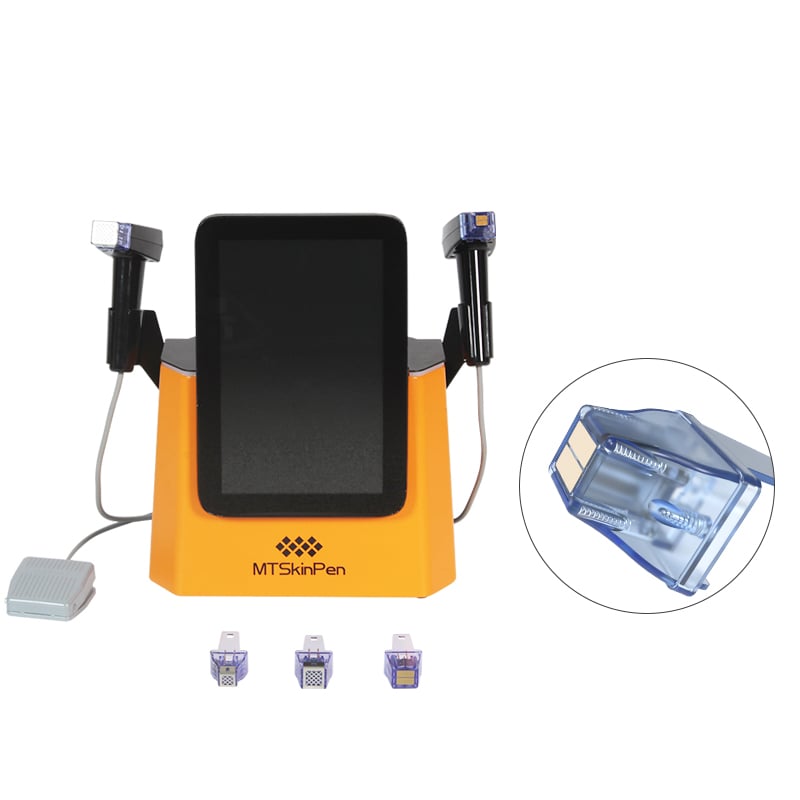
A course is a sequence, not a guarantee of a particular change. Before another appointment is booked, the practitioner should compare the client’s original concern, photographs, treatment records, and recovery experience. An microneedling machine or an rf microneedling device can support a planned service, while skin needling equipment and a collagen induction device still require appropriate assessment and use.
Different concerns change at different rates, and some are more responsive to needling than others. Texture or the appearance of shallow marks may be assessed differently from pigmentation, active breakouts, or laxity. A microneedling machine cannot make those concerns equivalent. Clients may expect a rapid, dramatic shift when the planned course is intended to support gradual improvement, making an otherwise reasonable result feel disappointing.
The starting point also matters. Mild concerns can leave less room for an obvious before-and-after difference, while deeper or long-standing concerns may need a broader clinical plan. A practitioner using skin needling equipment should define what change is realistic for the specific area and concern. Without that baseline, the client and clinic may judge progress against different expectations, even when treatment has been delivered consistently.
Skin response is individual, so the same schedule does not suit every client. Healing patterns, skin condition, treatment history, and the interval between appointments can affect how a course progresses. An rf microneedling device is not a substitute for assessment: its settings and protocol must be selected for the client and the intended service. If a plan is not tailored, repeating it unchanged may not address the reason progress has stalled.
Treatment intensity should not be increased simply because early change is subtle. A microneedling machine should be used according to its instructions and a qualified practitioner’s protocol, with attention to the client’s condition and recovery. A collagen induction device is part of a treatment process, not a promise of identical outcomes. Review whether the original plan, session spacing, and response tracking are appropriate before considering any modification.
Clients may assess progress too soon, especially when they expect visible change immediately after a session. Short-term redness or swelling is not the same as a lasting outcome, and early impressions can obscure gradual changes. Explain when a result should be reviewed and use consistent lighting, distance, and angles for photographs. A microneedling machine may be used in a course, but evaluation should follow a suitable timeline rather than a day-to-day comparison.
A course also needs a clear endpoint and review plan. Record the concern, session dates, areas treated, and the client’s account of recovery; then compare those notes at follow-up. A collagen induction device does not determine how quickly each person will notice a difference. If assessments happen at inconsistent intervals, small changes may be overlooked or temporary variation may be mistaken for a meaningful result.
Aftercare instructions help clients care for skin during recovery and reduce avoidable irritation. If instructions are unclear or difficult to follow, the client may use products or activities that are not suitable for the post-treatment period. Clinics should explain the recommended care in plain language and invite questions. An rf microneedling device does not remove the need for careful aftercare or a follow-up conversation about the client’s experience.
Daily habits and other skin treatments may also influence how a client perceives progress. Rather than making assumptions, ask about product use, sun exposure, recent procedures, and whether the client followed the agreed guidance. Skin needling equipment can be one part of a broader plan, but it cannot control every factor affecting skin appearance. Use these discussions to identify practical barriers and agree on realistic next steps.
Begin with the consultation record: what was the main concern, what change did the client expect, and how was success defined? Compare the original photographs with current images taken under similar conditions. Check the microneedling machine settings and protocol against the treatment record, device instructions, and practitioner training. This review helps distinguish a mismatch in expectations from a planning or documentation issue without assuming that equipment alone caused the outcome.
Next, confirm that each appointment was appropriate for the client’s condition at that time and that recovery was discussed. A collagen induction device should be selected and operated within its intended use, with documented decisions made by a qualified professional. If the client reports unusual or persistent symptoms, prioritize appropriate clinical assessment instead of continuing the course. Clear records make it easier to explain why a treatment was paused, continued, or revised.
Once the facts are reviewed, agree on a specific next step: continue as planned, pause for assessment, revise the approach, or discuss other suitable options. An rf microneedling device may have different operating features from other skin needling equipment, so staff training and protocol should guide its use. Do not promise a particular result or add sessions solely to satisfy an expectation. Explain the reason for each decision and document the client’s understanding.
Set a review point before any further treatment, and state what will be evaluated then. A microneedling machine can remain appropriate even when change is modest, but the plan should be reconsidered if the client’s response, goals, or clinical suitability calls for it. Consistent photography, practical aftercare guidance, and candid discussions help clients understand progress. They also help clinics improve consultation quality without overstating what a collagen induction device can achieve.
Not necessarily. The concern, treatment plan, timing of assessment, individual response, and aftercare all affect the perceived outcome. Review records and photographs with a qualified practitioner before drawing conclusions about the microneedling machine or changing the plan.
No device can guarantee a particular result for every client. An rf microneedling device must be used according to its instructions, practitioner training, and an appropriate treatment plan. Discuss suitability and realistic expectations during consultation.
Revisit the client’s goals, baseline images, session records, recovery, and aftercare. Confirm that skin needling equipment was used appropriately and that the collagen induction device fits the intended service. Set a clear, documented follow-up decision with the client.

