

 EN

why-some-users-feel-nothing-during-regular-pemf-therapy-sessions, why-some-users-feel-nothing-during-regular-pemf-therapy-sessions, /blog
EN
A session can feel uneventful even when a person is using a pemf therapy device as directed. That absence of warmth, tingling, or another obvious sensation does not, by itself, show that pulsed electromagnetic field therapy is working or failing. Sensation is a subjective response, not a dependable readout of the field or a measure of benefit.
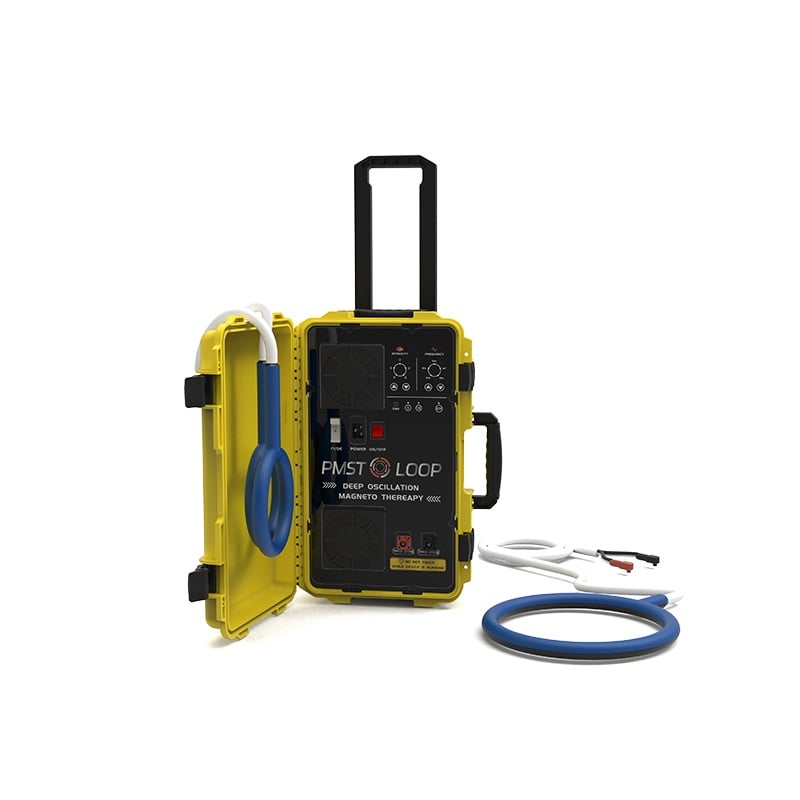
Why do some users feel nothing during regular sessions? The short answer is that people notice different sensations, and the setup, protocol, and expectations can all shape what they report. Understanding those factors can help users assess a pemf therapy device calmly, follow appropriate guidance, and avoid changing settings just to chase a feeling.
Sensation varies between individuals and from one session to another. Attention, position, comfort, and ordinary day-to-day changes can influence whether a user notices anything. A pemf therapy device may operate without producing an unmistakable feeling, while another person may describe mild warmth or tingling. Neither response alone confirms a specific outcome.
Pulsed electromagnetic field therapy describes exposure to changing electromagnetic fields, not a guaranteed sensory experience. Unlike a massage, the session may not create obvious pressure or movement. A user may therefore sit through the full session without a clear cue. With a pemf therapy device, quiet perception is a reason to review the routine, not automatically to increase intensity.
The session protocol, applicator placement, clothing, posture, and surrounding environment can affect comfort and awareness. Users should follow the device instructions and the protocol set by a qualified professional rather than improvise. Pulsed electromagnetic field therapy sessions can feel different when positioning changes, but an altered sensation does not establish that the field is stronger or more effective.
The room also matters: conversation, fatigue, distraction, or focusing intensely on the body may change what a person notices. PEMF therapy equipment is used in varied settings, so reports from one environment may not match another. Keep the setup consistent when assessing a routine. That makes observations easier to compare without treating sensation as the session’s pass-or-fail test.
A noticeable feeling and a useful response are not interchangeable concepts. If a user feels nothing, that does not prove there is no effect; equally, feeling warmth or tingling does not prove a benefit. Pulsed electromagnetic field therapy should be assessed against the intended purpose, professional guidance, and any relevant measures, not by sensation alone.
Write down practical details such as session duration, body position, comfort, and any changes relevant to the reason for use. A recovery therapy device may be part of a broader routine, so other factors can influence how someone feels between sessions. Consistent notes can help a user and clinician discuss patterns without attributing every change to the equipment.
When a session feels uneventful, confirm that the unit is powered, the selected program matches the instructions, and the applicator is positioned as specified. Consult the manual if controls or indicators are unclear. A pemf therapy device should be used within its documented operating instructions; increasing output simply to create a sensation may be inappropriate.
Pulsed electromagnetic field therapy protocols vary by device and intended use, so users should not assume that a setting from another model applies. Review the prescribed schedule, accessories, and contact or spacing guidance. If the equipment displays an error or seems to behave differently than described, pause and seek qualified technical or clinical advice instead of guessing at a correction.
A simple session record can capture date, duration, selected program, positioning, and the user’s own observations. Avoid changing multiple variables at once, since that makes comparisons difficult. For pulsed electromagnetic field therapy, consistency helps distinguish a genuine change in experience from differences in setup, schedule, or attention.
Discuss repeated uncertainty with the professional who recommended the routine, especially when treatment relates to a diagnosed condition or recovery plan. Bring the device model, protocol details, and notes. PEMF therapy equipment should fit the intended use and the user’s circumstances; guidance from an appropriate professional is more useful than copying another person’s settings.
Seek guidance if the instructions are unclear, the unit appears faulty, a session causes discomfort, or the user’s condition changes. Do not use the absence of sensation as a reason to extend sessions or disregard medical advice. A recovery therapy device may complement a care plan, but it should not replace assessment or treatment recommended by a qualified clinician.
Before choosing or continuing a pemf therapy device, check that its intended application, operating instructions, and safety information align with the user’s needs. Ask how success should be evaluated and what signs warrant stopping. PEMF therapy equipment should be managed according to its documentation, and expectations should remain realistic because individual experiences can differ.
No. Lack of a noticeable sensation is not enough to determine whether a session had an effect. A pemf therapy device is not assessed reliably by whether the user feels tingling or warmth. Follow the recommended protocol and discuss outcome measures with the professional overseeing the routine.
Do not change the output or duration solely to create a sensation. Pulsed electromagnetic field therapy instructions are specific to the equipment and intended use. Check the manual or ask a qualified professional before changing a program, and stop if the session causes unexpected discomfort.
A lack of sensation alone cannot confirm whether a unit is operating correctly. Check the display, program, and setup against the instructions, and contact qualified support if an error appears. PEMF therapy equipment should be assessed by its indicators and documented procedures, not by bodily sensation alone.

