

 EN

why-tecar-therapy-sessions-feel-uncomfortable-at-high-intensity, why-tecar-therapy-sessions-feel-uncomfortable-at-high-intensity, /blog
EN
TECAR therapy can feel uncomfortable at high intensity when energy delivery, treatment duration, or tissue sensitivity exceeds what a patient can comfortably tolerate. A strong sensation is not a reliable sign that the session is working better. Understanding how capacitive resistive electric transfer creates warmth helps clinicians identify when to adjust settings, movement, or contact.
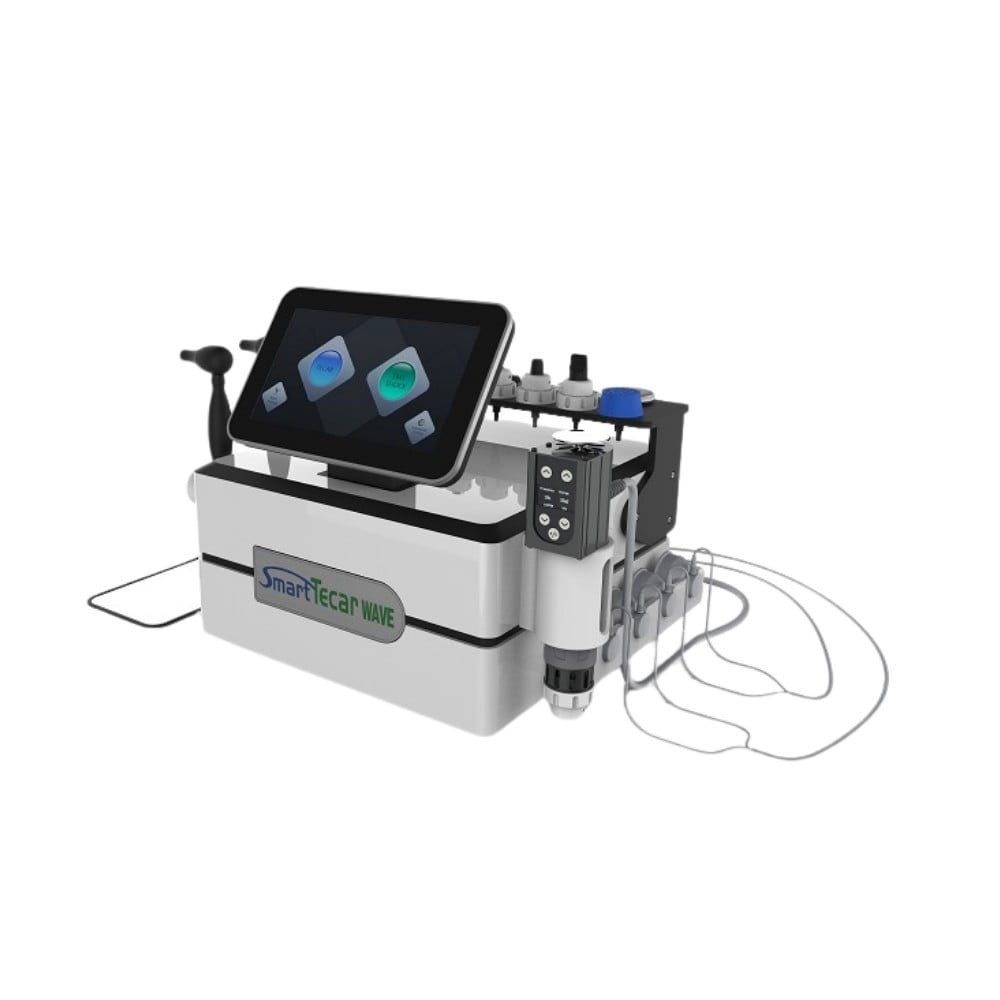
The key distinction is between a tolerable, gradually developing warmth and sharp, burning, or increasingly painful heat. TECAR therapy may use capacitive or resistive modes, and each can feel different depending on the treatment area and technique. A radiofrequency therapy device should be adjusted to the patient and purpose, not simply turned up to produce the strongest sensation.
TECAR therapy transfers energy through an applicator and the treatment circuit, creating a sensation that may build as the session continues. Capacitive resistive electric transfer describes the two broad ways energy can be directed through tissues, while deep heat therapy describes a treatment aim rather than a promise that every session will feel deeply hot. Intensity, contact, movement, and time all influence sensation.
When power is high or the applicator moves too slowly, warmth may accumulate in one small area. This can make tecar therapy feel prickly, stinging, or uncomfortably hot, especially over sensitive skin or a bony region. A radiofrequency therapy device requires continuous attention to patient feedback because perceived heat can change before the clinician sees an obvious skin response.
Capacitive resistive electric transfer does not feel identical in every mode or body region. Superficial tissues, areas with less soft-tissue coverage, and regions with heightened sensitivity may respond differently from larger muscle groups. A deep heat therapy approach should account for those differences; the same settings and pace are not automatically suitable for every treatment area.
TECAR therapy comfort also depends on applicator contact and movement. Uneven pressure, interrupted contact, or a stationary applicator can create localized hotspots, while a smooth, consistent technique may spread sensation more evenly. With a radiofrequency therapy device, clinicians can lower output, change the working area, or pause to reassess rather than asking a patient to endure worsening discomfort.
A comfortable session starts with a clear explanation of expected sensations and an agreed signal to pause. During capacitive resistive electric transfer, the clinician should ask whether warmth feels mild, steady, or increasingly sharp. That ongoing check is more useful than choosing settings based only on a number or assuming that deep heat therapy requires a strong sensation.
If discomfort develops, reduce output first and reassess the response before continuing. A radiofrequency therapy device can be adjusted in small steps, allowing the clinician to find a tolerable level without making abrupt changes. TECAR therapy should remain responsive to feedback throughout the session; a patient’s report of burning or pain calls for an immediate pause and assessment.
The clinician can check that the applicator is moving smoothly and that contact remains consistent across the intended area. In capacitive resistive electric transfer, technique influences how energy is delivered, so the applicator should not linger over a spot that is becoming too warm. If sensation continues to rise, shorten the exposure or stop to let the area settle.
Treatment pacing matters as much as the selected level. A gradual start gives the patient and clinician time to judge the response before considering any increase. With deep heat therapy, more time or higher output is not automatically more appropriate. A radiofrequency therapy device should be used within its instructions and the clinician’s training, with skin and comfort checked as needed.
Mild warmth that stays stable may be acceptable when the patient is comfortable, but sharp pain, burning, sudden heat, numbness, or a worsening sensation should not be ignored. Capacitive resistive electric transfer is not a reason to push through these signals. Stop or lower the treatment and assess the area before deciding whether to resume.
Skin condition, altered sensation, recent injury, and individual health factors can affect how a patient perceives heat. Clinicians should screen relevant history and follow device guidance before using deep heat therapy. A radiofrequency therapy device is not appropriate for every person or situation, so uncertainty about suitability warrants clinical judgment rather than simply reducing intensity and proceeding.
Record the treatment area, mode, settings, duration, patient-reported sensation, and any adjustment made. This makes the next TECAR therapy session easier to tailor and helps distinguish a technique issue from a patient-specific response. Note whether the discomfort resolved after a pause or required ending treatment, and use that information to guide follow-up.
If symptoms persist after treatment, intensify, or include a visible skin change, arrange appropriate assessment and follow clinical protocols. Do not treat a painful response as proof of effectiveness. A careful review of capacitive resistive electric transfer technique and device settings can inform future decisions, while deep heat therapy should remain within the patient’s tolerance and clinical plan.
A gentle, tolerable warmth may occur, but intense heat is not required. During tecar therapy, tell the clinician promptly if the sensation becomes sharp, burning, or uncomfortable so settings and technique can be reassessed.
Not necessarily. Capacitive resistive electric transfer settings should reflect the treatment goal, patient response, and device instructions. Increasing intensity only to create stronger heat may reduce comfort without establishing a better outcome.
Pause or stop treatment, check the area and the patient’s response, and adjust only if it is appropriate to continue. A radiofrequency therapy device should never be used to override a patient’s warning; reassess suitability and document the response before planning further deep heat therapy.

